Ceramides: Repair Your Barrier or Just Sit on Top?


Ingredients

Ceramides: Do They Repair Your Barrier — or Just Sit on Top?

Not every ceramide product actually integrates into your barrier. The lipid trio ratio and the delivery system matter more than the ingredient name.

BRICKS = CELLS MORTAR = CERAMIDES gap!

50%
Of stratum corneum lipids are ceramides — the dominant class
24 hrs
Measurable TEWL improvement from a single application
2–4 wk
Eczema symptom improvement in clinical trials
12
Distinct ceramide species in human skin

The Magic Ratio

Ceramides alone aren’t enough. In healthy skin, they self-organize with cholesterol and fatty acids into lamellar sheets. The clinically studied ratio — around 3:1:1 ceramides:cholesterol:fatty acids, based on barrier-recovery studies — rather than any single magic number:

3
Ceramides
:
1
Cholesterol
:
1
Fatty Acids
A ceramide without its supporting lipids is mortar without sand. It might fill the gap temporarily, but it won’t hold the wall together.

The Three Ceramides That Matter

Ceramide NP

Most abundant · Most studied

Core barrier seal. TEWL reduction. All skin types.

Ceramide AP

Contributes to lamellar flexibility

Thought to support lamellar organization and cell turnover. Commonly used in barrier and anti-aging formulas.

Ceramide EOP

Key structural ceramide

Plays an important role in lamellar architecture and barrier integrity. Especially relevant in severely compromised and eczema-prone skin.

Anti-Aging: Real but Indirect

Ceramides’ anti-aging benefit is mostly indirect: a stronger barrier produces healthier, more resilient skin that looks younger over time. Mechanistic evidence shows ceramides can stimulate collagen and fibrillin in fibroblasts — but dedicated human anti-wrinkle trials are still limited. This isn’t retinol-level collagen stimulation. It’s structural support that lets everything else work better.

How to Use

Apply to slightly damp skin. Compatible with essentially all actives — niacinamide (upregulates your own ceramide synthesis), hyaluronic acid (humectant draws in, ceramide seals), retinol (buffers barrier disruption). Twice daily. Benefits require ongoing use — ceramide-depleted skin returns toward baseline when you stop. Among the safest ingredients in skincare: very few adverse events reported in clinical use, widely used across ages, and considered safe in pregnancy with no specific topical restrictions.

Final Take

Ceramides are one of the few ingredients where “repairs your skin barrier” is backed by genuinely strong evidence. But the product matters. Look for the full lipid trio (ceramides + cholesterol + fatty acids), multiple ceramide types (NP, AP, EOP), and a formulation designed to integrate into the barrier. The ratio and the architecture matter more than the concentration on the label.
CeramidesSkin BarrierK-BeautyTEWLEczema


Similar Posts

  • Clean

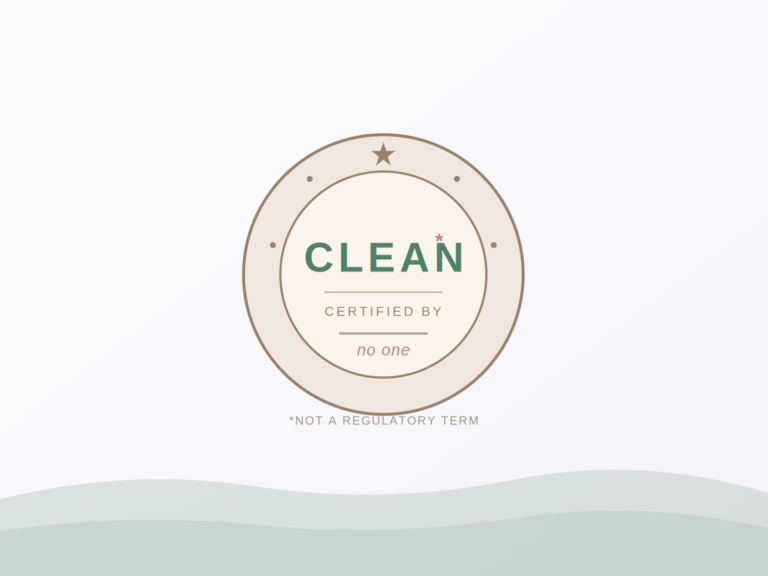
    “Clean Beauty”: Marketing Category, Not Safety Standard Industry “Clean Beauty”: No Legal Definition. No Scientific Consensus. No Regulatory Backing. “Clean” means whatever the brand selling it wants it to mean. That’s the problem. By The K Lab · Skincare Deep Dive CLEAN * CERTIFIED BY no one *NOT A REGULATORY TERM 0 Regulators (FDA, EU,…

  • Aha-bha-pha

    AHA vs BHA vs PHA: Which Acid Does What Ingredients AHA vs. BHA vs. PHA: Which Acid Does What — And Which One You Don’t Need Skincare acids are not interchangeable. Each one solves a different problem. Most people need one — not all three. By The K Lab · Skincare Ingredient Guide AHA BHA…

  • Niacinamide

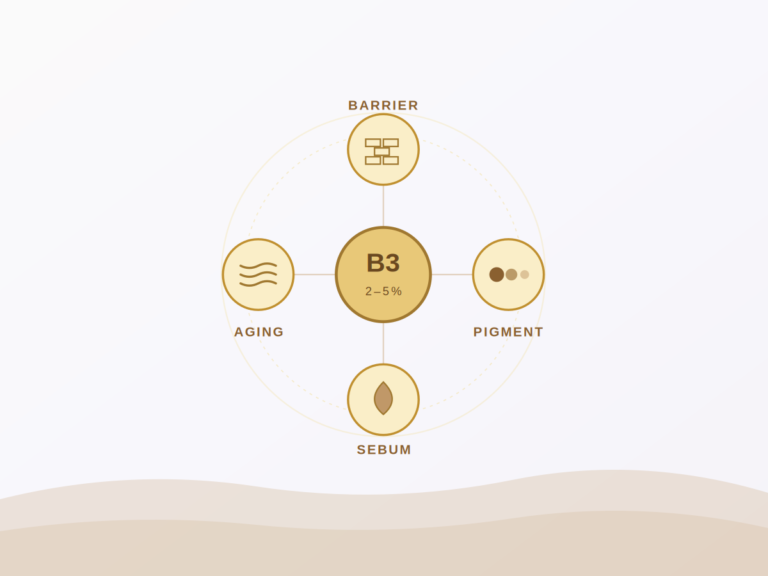
    Niacinamide: Is 10% Too Much? Ingredients Niacinamide: Is 10% Too Much? More niacinamide doesn’t mean more results. The clinical data makes that surprisingly clear. By The K Lab · Skincare Ingredient Guide BARRIER PIGMENT SEBUM AGING B3 2–5% 2–5% Best-supported concentration range across clinical trials 4 wk Barrier & tone improvements visible in most studies…

  • Fermented

    Galactomyces vs Bifida: Do Ferments Work? Ingredients Galactomyces vs. Bifida: Do Fermented Ingredients Actually Work? K-beauty’s signature ingredient category. One has identified molecular pathways. The other has brand heritage. They’re not the same. By The K Lab · Skincare Ingredient Guide FERMENTATION AHR GFF activates the aryl hydrocarbon receptor → filaggrin upregulation NRF2 GFF activates…

  • Vitamin C vs. Derivatives

    Vitamin C: The Stability vs. Results Trade-Off Ingredients Vitamin C in Skincare: The Stability vs. Results Trade-Off The form with the strongest evidence is the hardest to keep stable. Here’s what actually works — and what’s just surviving the bottle. By The K Lab · Skincare Ingredient Guide 20% Max absorption ceiling — above this,…

  • alcohol

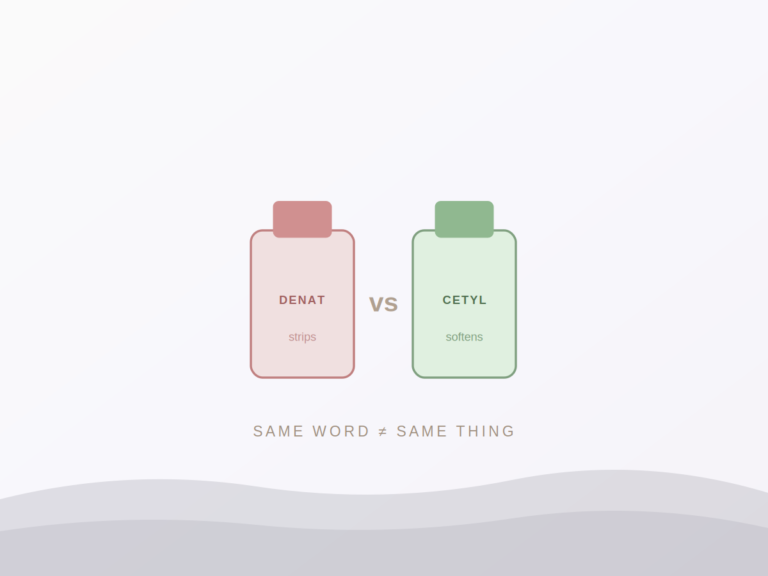
    Alcohol in Skincare: Drying vs Functional Ingredients Alcohol in Skincare: Two Categories That Do Opposite Things Cetyl alcohol and denatured alcohol share the word “alcohol” the same way a ladybug and a bedbug share the word “bug.” By The K Lab · Skincare Ingredient Guide DENAT strips CETYL softens vs SAME WORD ≠ SAME THING…

Leave a Reply

Your email address will not be published. Required fields are marked *