Madecassoside vs Asiaticoside


Ingredients

Madecassoside vs. Asiaticoside: What’s Actually Calming Your Skin?

Every K-beauty brand has a CICA product. But “centella extract” on a label can mean almost anything — and the two molecules that matter most work in different ways.

CENTELLA ASIATICA

0.1%
Madecassoside — effective in the key human RCT (with vitamin C)
4
Primary triterpenoids in Centella asiatica
“10% centella extract” may contain as little as 0.02% actual madecassoside
6 mo
Anti-aging results timeline in the primary RCT
The Calmer

Madecassoside

In experimental models, down-regulates NF-κB and NLRP3-related inflammatory pathways, reducing mediators like TNF-α, IL-1β, IL-6, and COX-2. Has some of the strongest calming and barrier-support evidence among Centella triterpenes. Closely related to madecassic acid, which may account for much of its direct activity.

Best for: Redness, sensitivity, barrier repair, post-procedure recovery

The Builder

Asiaticoside

Modulates the TGF-β/Smad pathway — promotes collagen I and III synthesis and wound closure in normal skin, while helping normalize excessive collagen in keloid models. Has shown anti-melanogenic effects in preclinical models. Preclinical scar and keloid evidence.

Best for: Wound healing, collagen stimulation, scar prevention

Madecassoside calms. Asiaticoside rebuilds. Both matter — but a product labeled ‘centella extract’ may contain meaningful amounts of neither.

⚠️ The Extract Problem

“Centella asiatica extract” has no mandated standardization. A “10% centella extract” standardized to just 0.2% madecassoside = roughly 0.02% actual madecassoside in the final formula. Products that list madecassoside or asiaticoside by name and disclose the percentage are far more transparent. Look for the molecule name, not the plant name.

How to Use

Twice daily as serum or essence. Typically formulated around skin-friendly mildly acidic pH (roughly 5–7). Pairs well with vitamin C (an RCT using 5% vitamin C + 0.1% madecassoside showed anti-aging benefits), niacinamide, ceramides, peptides. Separate from very low-pH AHAs/BHAs. Expect calming typically within 2–4 weeks, anti-aging over 6+ months. Topical centella at cosmetic levels appears low-risk during pregnancy, but data in pregnant populations are limited — check with your doctor. This caution is distinct from the more established concerns around oral centella supplements. CIR safety data: well-tolerated at 0.5% in human studies.

Final Take

“CICA” is a marketing category, not a quality guarantee. Madecassoside is the calming specialist with the strongest evidence. Asiaticoside leans more toward wound healing and collagen/scar support. Products that name the molecule and disclose the concentration are more trustworthy than those hiding behind a vague “centella extract.” If your CICA product works, it’s probably because the formulation contains enough of the right triterpenoid.
CentellaCICAMadecassosideK-BeautyBarrier Repair


Similar Posts

  • Fragrance

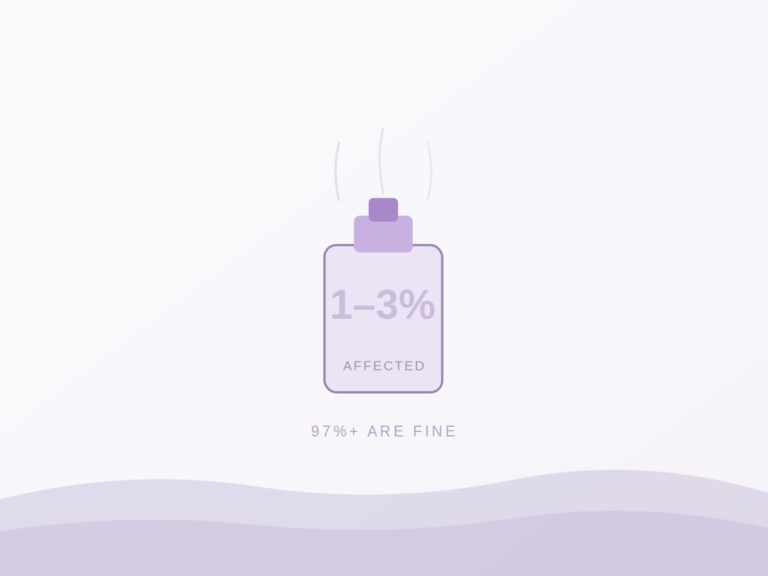
    Fragrance: Who Should Actually Avoid It? Ingredients Fragrance: Who Should Actually Avoid It — and Who’s Fine It’s the #1 cosmetic contact allergen. It also affects roughly 1–3% of people. Both things are true at once. By The K Lab · Skincare Ingredient Guide 1–3% AFFECTED 97%+ ARE FINE 1–3% Population prevalence of fragrance contact…

  • Niacinamide

    Niacinamide: Is 10% Too Much? Ingredients Niacinamide: Is 10% Too Much? More niacinamide doesn’t mean more results. The clinical data makes that surprisingly clear. By The K Lab · Skincare Ingredient Guide BARRIER PIGMENT SEBUM AGING B3 2–5% 2–5% Best-supported concentration range across clinical trials 4 wk Barrier & tone improvements visible in most studies…

  • Collagen

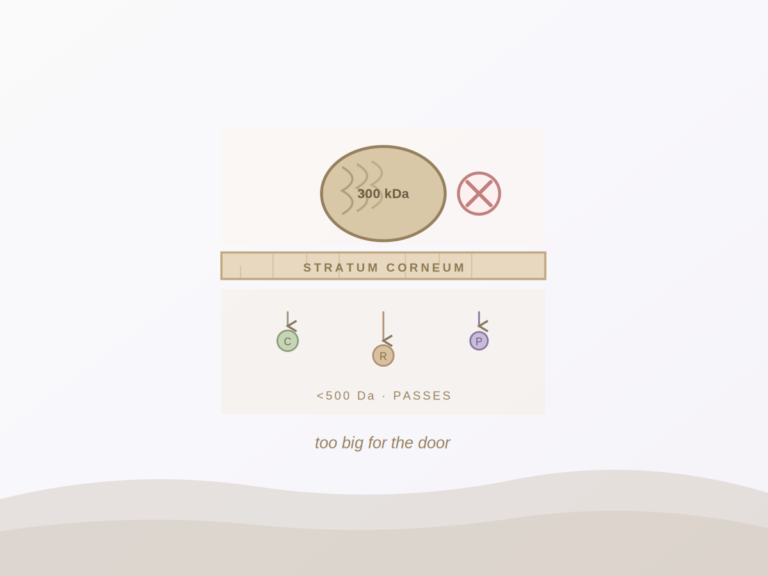
    Collagen: Why It Doesn’t Absorb Ingredients Collagen in Skincare: Why It Doesn’t Absorb — and Why Brands Still Use It Collagen is 75–80% of your dermis. It’s also 600× too large to get through your skin. So why is it in every anti-aging product? By The K Lab · Skincare Ingredient Guide 300 kDa STRATUM…

  • Hyaluronic Acid

    Hyaluronic Acid: Why It Can Dry Your Skin Out Ingredients Why Hyaluronic Acid Can Actually Dry Your Skin Out It’s the most popular hydrating ingredient in skincare. What it does depends entirely on how and where you use it. By The K Lab · Skincare Ingredient Guide H₂O SKIN SURFACE <40% Humidity below this level…

  • Why It’s in Everything

    Panthenol: What It Actually Does at a Cellular Level Ingredients Panthenol: Why It’s in Everything — and What It Does at a Cellular Level 70 years of clinical data. Converts to a CoA cofactor. Rebuilds the barrier from the inside. The science is deeper than “it’s soothing.” By The K Lab · Skincare Ingredient Guide…

  • Clean

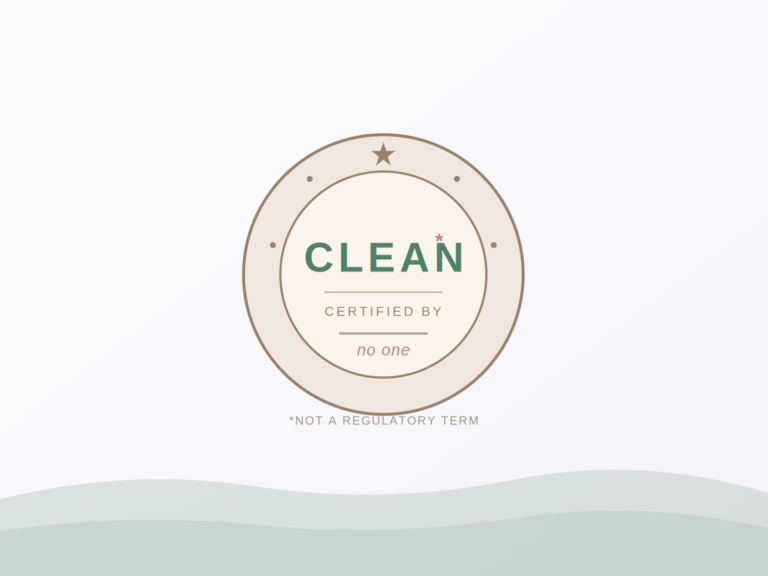
    “Clean Beauty”: Marketing Category, Not Safety Standard Industry “Clean Beauty”: No Legal Definition. No Scientific Consensus. No Regulatory Backing. “Clean” means whatever the brand selling it wants it to mean. That’s the problem. By The K Lab · Skincare Deep Dive CLEAN * CERTIFIED BY no one *NOT A REGULATORY TERM 0 Regulators (FDA, EU,…

Leave a Reply

Your email address will not be published. Required fields are marked *