Alcohol in Skincare: Drying vs Functional


Ingredients

Alcohol in Skincare: Two Categories That Do Opposite Things

Cetyl alcohol and denatured alcohol share the word “alcohol” the same way a ladybug and a bedbug share the word “bug.”

DENAT strips CETYL softens vs SAME WORD ≠ SAME THING

C2
Ethanol — short chain, evaporates, dissolves barrier lipids
C16–22
Fatty alcohols — long chain, waxy, reinforce the barrier
secs
Contact time in rinse-off = minimal concern even for simple alcohols
CIR
Fatty alcohols reviewed and deemed “safe as used in cosmetics”
Dissolves barrier

Simple (Volatile) Alcohols

Short-chain solvents. Evaporate fast. Disrupt intercellular lipids. At higher levels in leave-on products they increase TEWL and weaken the barrier, and in some people may contribute to reactive oiliness. In sunscreens: a big reason K-beauty SPF feels weightless — a trade-off, not always bad.

Alcohol denat · SD alcohol · Ethanol · Isopropyl alcohol

Reinforces barrier

Fatty (Functional) Alcohols

Long-chain waxy solids. Don’t evaporate. Emollient, emulsifier, thickener. Reduce TEWL. Found in the same ceramide creams dermatologists recommend for eczema. CIR: “safe as used.” Non-sensitizing in vast majority.

Cetyl · Cetearyl · Stearyl · Behenyl alcohol

“Alcohol-free” products often still contain cetearyl alcohol — because it makes the cream work. The label removes the word while keeping the ingredient. That’s marketing, not safety.

How to Read the Label

Cetyl / cetearyl / stearyl / behenyl → Fatty alcohol. Helping the product. Not a concern for the vast majority of people. Alcohol denat / SD alcohol / ethanol → Simple alcohol. Check INCI position and product type. High in a leave-on for dry skin? Question it. Mid-list in a sunscreen? Probably there for elegance and compliance — the UV protection benefit matters more.

Final Take

“Alcohol” in skincare is not one ingredient. Fatty alcohols soften and stabilize. Simple alcohols can strip — or help your sunscreen feel weightless enough to wear daily. Context determines everything: product type, concentration, contact time, your skin type. Don’t avoid products because they contain “alcohol.” Learn which alcohol, where on the list, and whether it’s a feature or a flaw.
AlcoholFatty AlcoholsCetyl AlcoholK-BeautyFormulation


Similar Posts

  • Niacinamide

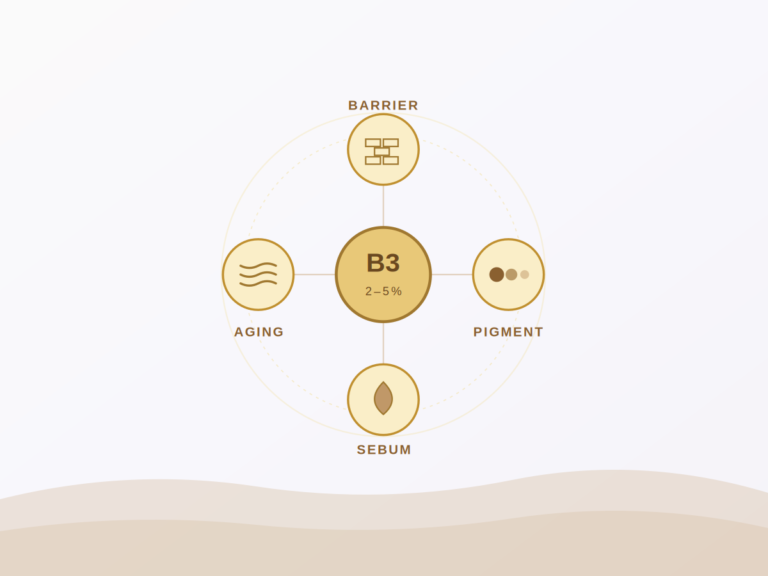
    Niacinamide: Is 10% Too Much? Ingredients Niacinamide: Is 10% Too Much? More niacinamide doesn’t mean more results. The clinical data makes that surprisingly clear. By The K Lab · Skincare Ingredient Guide BARRIER PIGMENT SEBUM AGING B3 2–5% 2–5% Best-supported concentration range across clinical trials 4 wk Barrier & tone improvements visible in most studies…

  • Ceramides

    Ceramides: Repair Your Barrier or Just Sit on Top? Ingredients Ceramides: Do They Repair Your Barrier — or Just Sit on Top? Not every ceramide product actually integrates into your barrier. The lipid trio ratio and the delivery system matter more than the ingredient name. By The K Lab · Skincare Ingredient Guide BRICKS =…

  • Fermented

    Galactomyces vs Bifida: Do Ferments Work? Ingredients Galactomyces vs. Bifida: Do Fermented Ingredients Actually Work? K-beauty’s signature ingredient category. One has identified molecular pathways. The other has brand heritage. They’re not the same. By The K Lab · Skincare Ingredient Guide FERMENTATION AHR GFF activates the aryl hydrocarbon receptor → filaggrin upregulation NRF2 GFF activates…

  • Clean

    “Clean Beauty”: Marketing Category, Not Safety Standard Industry “Clean Beauty”: No Legal Definition. No Scientific Consensus. No Regulatory Backing. “Clean” means whatever the brand selling it wants it to mean. That’s the problem. By The K Lab · Skincare Deep Dive CLEAN * CERTIFIED BY no one *NOT A REGULATORY TERM 0 Regulators (FDA, EU,…

  • Aha-bha-pha

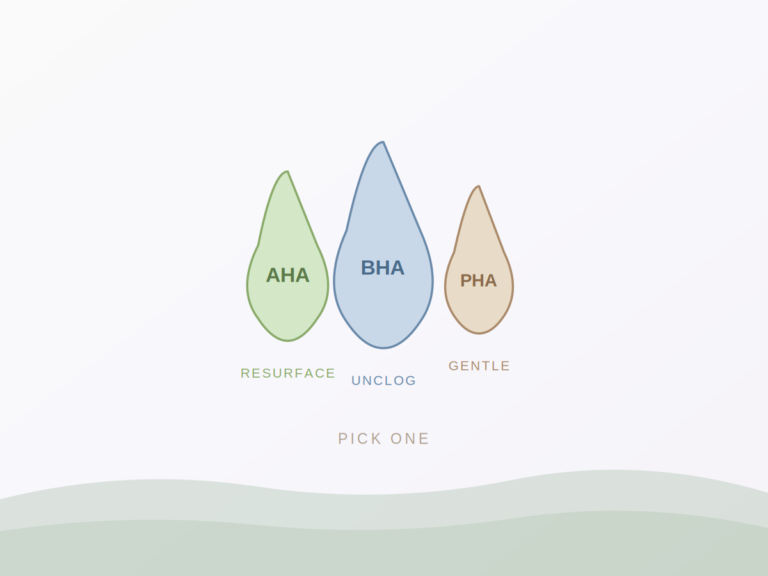
    AHA vs BHA vs PHA: Which Acid Does What Ingredients AHA vs. BHA vs. PHA: Which Acid Does What — And Which One You Don’t Need Skincare acids are not interchangeable. Each one solves a different problem. Most people need one — not all three. By The K Lab · Skincare Ingredient Guide AHA BHA…

  • Why It’s in Everything

    Panthenol: What It Actually Does at a Cellular Level Ingredients Panthenol: Why It’s in Everything — and What It Does at a Cellular Level 70 years of clinical data. Converts to a CoA cofactor. Rebuilds the barrier from the inside. The science is deeper than “it’s soothing.” By The K Lab · Skincare Ingredient Guide…

Leave a Reply

Your email address will not be published. Required fields are marked *