Galactomyces vs Bifida: Do Ferments Work?


Ingredients

Galactomyces vs. Bifida: Do Fermented Ingredients Actually Work?

K-beauty’s signature ingredient category. One has identified molecular pathways. The other has brand heritage. They’re not the same.

FERMENTATION

AHR
GFF activates the aryl hydrocarbon receptor → filaggrin upregulation
NRF2
GFF activates the master antioxidant transcription factor
~9 yr
Estimated aging reversal in 12-month GFF study (with caveats)
“97% GFF” means water replacement — not 97% active molecules
Stronger evidence

Galactomyces (GFF)

Identified molecular pathways: AHR → filaggrin/loricrin (barrier), NRF2 → antioxidant enzymes (photoprotection), IL-37 (anti-inflammaging). 11-year longitudinal study. Multiple clinical papers. Independent mechanism research from Kyushu University.

Caveat: Nearly all clinical data comes from P&G (SK-II owner). No control group in the landmark study.

Less independent data

Bifida Ferment Lysate (BFL)

Bacterial lysate with in-vitro barrier gene upregulation and antioxidant activity. Famous from Estée Lauder’s Advanced Night Repair. Recent work suggests BFL can improve barrier resistance and reduce oxidative stress; consumer experience over decades suggests genuine benefit.

Caveat: Large independent human RCTs are still limited. Evidence base is substantially thinner and more brand-dependent than GFF’s.

GFF doesn’t just moisturize — it activates specific transcription factors that rebuild barrier proteins and neutralize oxidative damage. The mechanism is real. So is the funding bias.

⚠️ Fungal Acne Caution

GFF is yeast-derived and, in theory, could act as a nutrient substrate for Malassezia yeast — though this has not been demonstrated in controlled studies. If you’re prone to pityrosporum folliculitis (“fungal acne”), patch test GFF products carefully. The concern is biologically plausible but not proven. BFL (bacterial, not yeast) may carry less risk — though this hasn’t been formally studied either.

Final Take

GFF has the strongest evidence of any K-beauty ferment — identified pathways, clinical data, and a well-characterized mechanism. BFL has decades of commercial success but much thinner independent proof. For both, standardization is the real issue: not all ferments are created equal, and the brand’s strain and process matter as much as the ingredient name. GFF is the more science-backed choice. If your skin is fungal-acne-prone, proceed with caution.

GalactomycesBifidaFermentationPITERAK-Beauty


Similar Posts

  • Vitamin C vs. Derivatives

    Vitamin C: The Stability vs. Results Trade-Off Ingredients Vitamin C in Skincare: The Stability vs. Results Trade-Off The form with the strongest evidence is the hardest to keep stable. Here’s what actually works — and what’s just surviving the bottle. By The K Lab · Skincare Ingredient Guide 20% Max absorption ceiling — above this,…

  • Why It’s in Everything

    Panthenol: What It Actually Does at a Cellular Level Ingredients Panthenol: Why It’s in Everything — and What It Does at a Cellular Level 70 years of clinical data. Converts to a CoA cofactor. Rebuilds the barrier from the inside. The science is deeper than “it’s soothing.” By The K Lab · Skincare Ingredient Guide…

  • alcohol

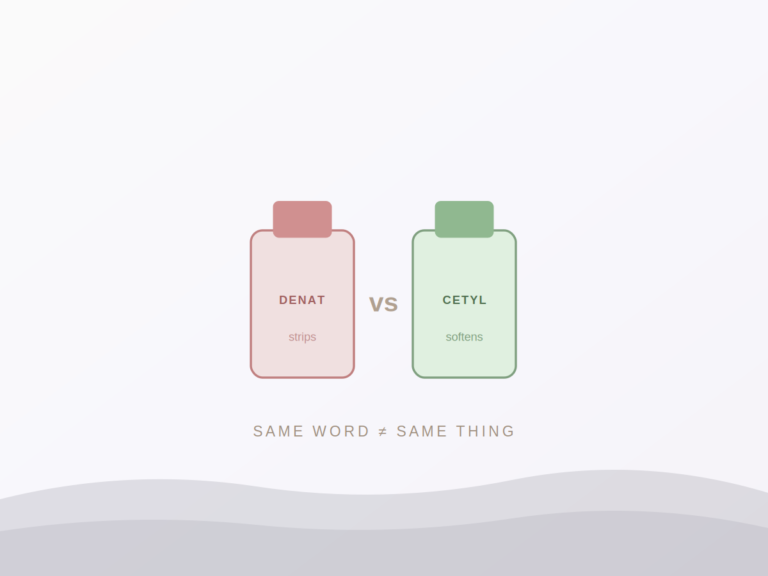
    Alcohol in Skincare: Drying vs Functional Ingredients Alcohol in Skincare: Two Categories That Do Opposite Things Cetyl alcohol and denatured alcohol share the word “alcohol” the same way a ladybug and a bedbug share the word “bug.” By The K Lab · Skincare Ingredient Guide DENAT strips CETYL softens vs SAME WORD ≠ SAME THING…

  • Fragrance

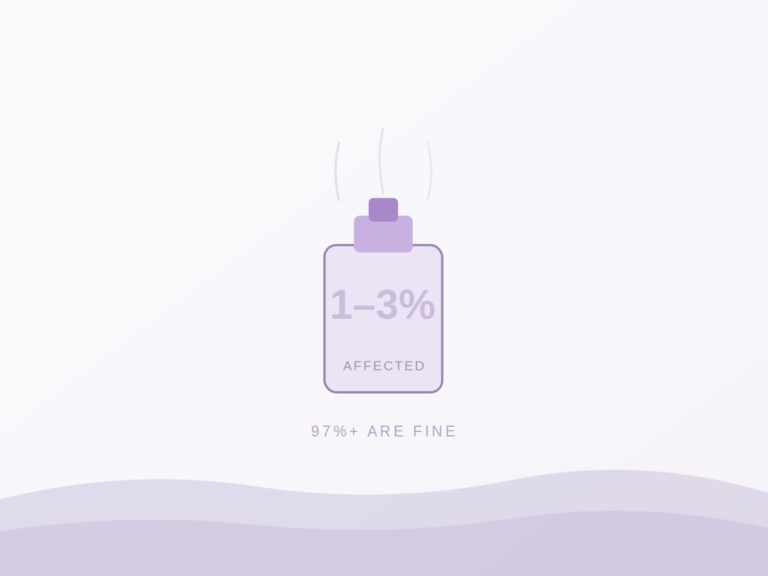
    Fragrance: Who Should Actually Avoid It? Ingredients Fragrance: Who Should Actually Avoid It — and Who’s Fine It’s the #1 cosmetic contact allergen. It also affects roughly 1–3% of people. Both things are true at once. By The K Lab · Skincare Ingredient Guide 1–3% AFFECTED 97%+ ARE FINE 1–3% Population prevalence of fragrance contact…

  • Clean

    “Clean Beauty”: Marketing Category, Not Safety Standard Industry “Clean Beauty”: No Legal Definition. No Scientific Consensus. No Regulatory Backing. “Clean” means whatever the brand selling it wants it to mean. That’s the problem. By The K Lab · Skincare Deep Dive CLEAN * CERTIFIED BY no one *NOT A REGULATORY TERM 0 Regulators (FDA, EU,…

  • Centella

    Madecassoside vs Asiaticoside Ingredients Madecassoside vs. Asiaticoside: What’s Actually Calming Your Skin? Every K-beauty brand has a CICA product. But “centella extract” on a label can mean almost anything — and the two molecules that matter most work in different ways. By The K Lab · Skincare Ingredient Guide CENTELLA ASIATICA 0.1% Madecassoside — effective…

Leave a Reply

Your email address will not be published. Required fields are marked *