Hyaluronic Acid: Why It Can Dry Your Skin Out


Ingredients

Why Hyaluronic Acid Can Actually Dry Your Skin Out

It’s the most popular hydrating ingredient in skincare. What it does depends entirely on how and where you use it.

H₂O SKIN SURFACE

<40%
Humidity below this level — HA may pull water from your own skin

50 kDa HA penetrates ~3× deeper than 300 kDa

2 hrs
Measurable hydration improvement from first application

0.1%
Sodium hyaluronate concentration shown effective in studies

The Humidity Problem No One Mentions

HA is a humectant — it pulls moisture from its environment. In humid conditions (roughly above 50%), it draws water from the air into your skin. In dry conditions (roughly below 40%), there’s less moisture available in the air, so it may draw from deeper skin layers instead. Without an occlusive seal, that moisture can evaporate off the surface — potentially leaving skin tighter rather than more hydrated.

Hyaluronic acid doesn’t know where to find water. It just pulls. In dry air without an occlusive seal, that pull may not work in your favor.

Not All HA Is the Same Size

Surface plumping

High MW (>1000 kDa)

Too large to penetrate stratum corneum

Sits on the surface. Forms a hydrating film. Prevents water loss and creates immediate plumping/smoothing. This is the “instant glow” effect.

Deep hydration

Low MW (20–300 kDa)

Penetrates epidermis, possibly superficial dermis

Binds to CD44 receptors on cell membranes. Supports cell metabolism from within. Multi-weight formulas combine both for layered hydration — the mechanistic logic is sound, though head-to-head trials are still limited.

Caution zone

Very Low MW (<20 kDa)

May trigger pro-inflammatory signaling

Fragments below ~20 kDa interact with TLR-2 and TLR-4 receptors, potentially triggering inflammation. 50 kDa HA is safe. Most commercial products use 50 kDa+. Mainly a concern for formulators, not consumers.

Common myth

“HA holds 1,000 times its weight in water.”

What the evidence says

Technical sources put the real number significantly lower. Still exceptional among cosmetic ingredients — but the marketing number is an exaggeration.

How to Use It So It Actually Works

Always apply to damp skin. Then seal with a moisturizer or occlusive before it evaporates. This is non-negotiable in dry climates, cold weather, or air-conditioned spaces. HA pairs well with everything — niacinamide, ceramides, peptides, retinol, vitamin C, SPF. Once or twice daily in most studies. Expect visible fine line improvement commonly by 2–4 weeks with multi-weight formulas, more robust anti-aging effects by 8–12 weeks.

Final Take

Hyaluronic acid deserves its reputation — but only when used correctly. Damp skin, occlusive seal, awareness of your environment’s humidity. These three things determine whether HA is your best hydrator or the reason your skin feels tight by noon. Don’t pay a premium for a higher percentage — studies have shown results at concentrations as low as 0.1%. Pay attention to the molecular weight range and whether the brand tells you what’s actually in the bottle.

Hyaluronic Acid
Hydration
K-Beauty
Molecular Weight
Humectants


Similar Posts

  • Clean

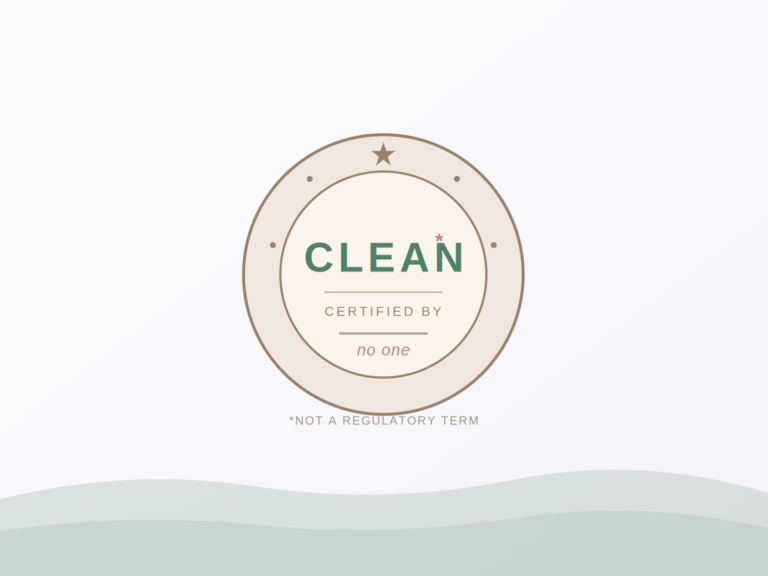
    “Clean Beauty”: Marketing Category, Not Safety Standard Industry “Clean Beauty”: No Legal Definition. No Scientific Consensus. No Regulatory Backing. “Clean” means whatever the brand selling it wants it to mean. That’s the problem. By The K Lab · Skincare Deep Dive CLEAN * CERTIFIED BY no one *NOT A REGULATORY TERM 0 Regulators (FDA, EU,…

  • Collagen

    Collagen: Why It Doesn’t Absorb Ingredients Collagen in Skincare: Why It Doesn’t Absorb — and Why Brands Still Use It Collagen is 75–80% of your dermis. It’s also 600× too large to get through your skin. So why is it in every anti-aging product? By The K Lab · Skincare Ingredient Guide 300 kDa STRATUM…

  • alcohol

    Alcohol in Skincare: Drying vs Functional Ingredients Alcohol in Skincare: Two Categories That Do Opposite Things Cetyl alcohol and denatured alcohol share the word “alcohol” the same way a ladybug and a bedbug share the word “bug.” By The K Lab · Skincare Ingredient Guide DENAT strips CETYL softens vs SAME WORD ≠ SAME THING…

  • Why It’s in Everything

    Panthenol: What It Actually Does at a Cellular Level Ingredients Panthenol: Why It’s in Everything — and What It Does at a Cellular Level 70 years of clinical data. Converts to a CoA cofactor. Rebuilds the barrier from the inside. The science is deeper than “it’s soothing.” By The K Lab · Skincare Ingredient Guide…

  • Centella

    Madecassoside vs Asiaticoside Ingredients Madecassoside vs. Asiaticoside: What’s Actually Calming Your Skin? Every K-beauty brand has a CICA product. But “centella extract” on a label can mean almost anything — and the two molecules that matter most work in different ways. By The K Lab · Skincare Ingredient Guide CENTELLA ASIATICA 0.1% Madecassoside — effective…

  • Ceramides

    Ceramides: Repair Your Barrier or Just Sit on Top? Ingredients Ceramides: Do They Repair Your Barrier — or Just Sit on Top? Not every ceramide product actually integrates into your barrier. The lipid trio ratio and the delivery system matter more than the ingredient name. By The K Lab · Skincare Ingredient Guide BRICKS =…

Leave a Reply

Your email address will not be published. Required fields are marked *